Kenya
Agroforestry Impact on Biodiversity in Kenya’s Lake Victoria Region

Overview
Rainforest Connection (RFCx), Catona Climate, and Trees for the Future (TREES) partnered on an impactful passive acoustic monitoring project in Homa Bay, Kenya, to better understand how the Forest Garden Program (FGP) supports local biodiversity.
Partners
Catona Climate
Trees for the Future


Objectives
The goal of the present study was to use acoustic detection algorithms, AI models, and soundscape analyses to assess the presence and distribution of wildlife, as well as factors (such as FGP) that influence them. FGP is a "Reduced-Impact Agriculture'' initiative under the Climate, Community & Biodiversity (CCB) Standard. This project’s results can then, in part, inform compliance with the CCB Standard.
Implementation
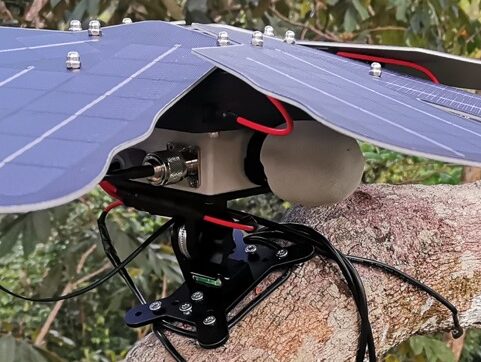
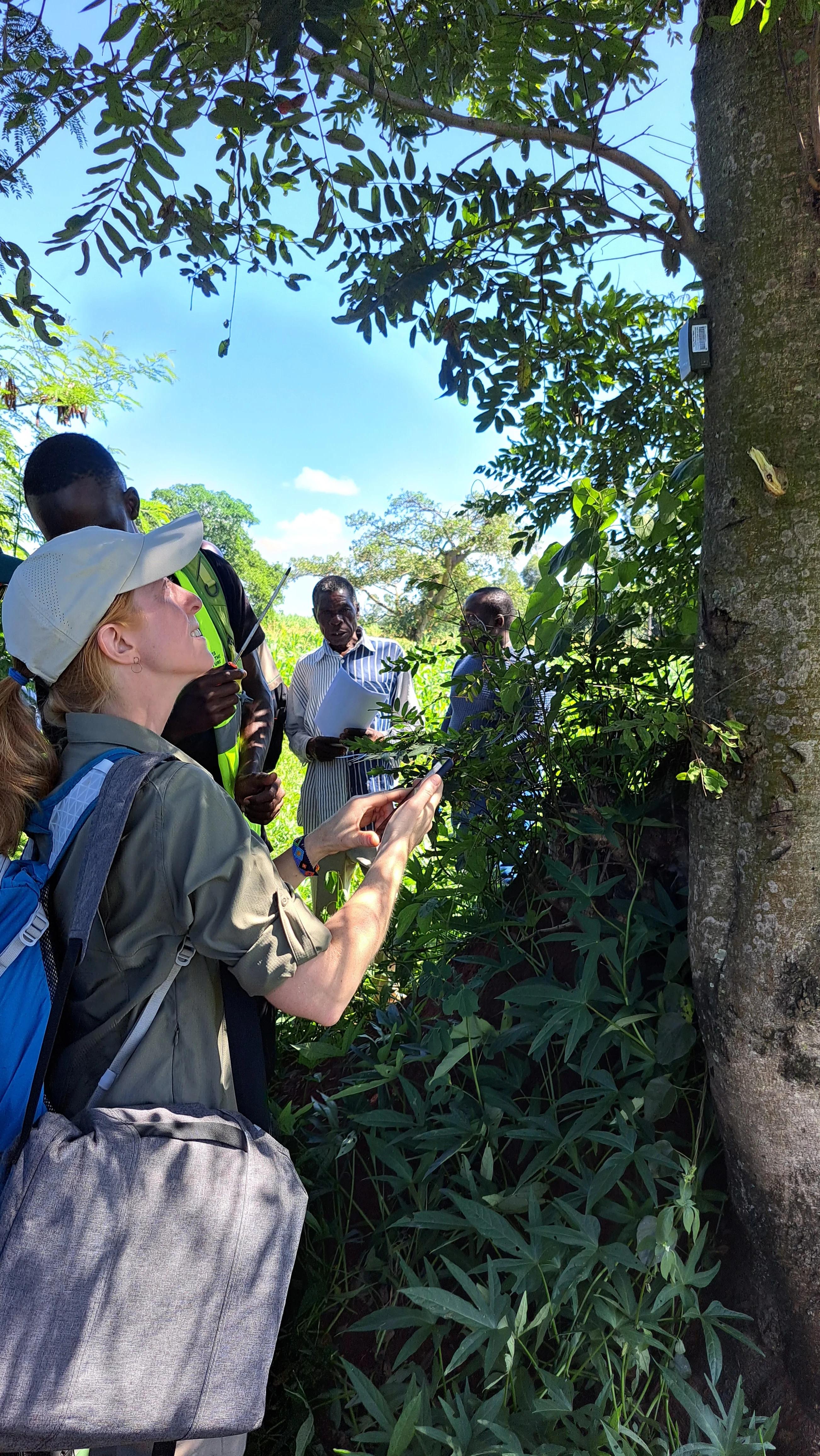
Our on-ground partners deployed acoustic recorders at 67 sampling sites within FGP agroforestry plots. We then used an AI-powered automated species-detection pipeline, combined with ecological analyses, to derive biodiversity insights from FGP sites.
Outcomes / Challenges
Outcomes:
We detected 128 species across 67 sites within Forest Garden agroforestry plots around Homa Bay, Kenya. The most commonly detected species were the village weaver, common bulbul, and white-browed robin-chat. One of the detected species, the grey crowned crane, is classified as Endangered (IUCN RedList). Several additional species, like the woodland kingfisher, are also prioritized for conservation in intercontinental action plans.
Our comprehensive analyses consistently show that sites in FGP have the longest positive influence on bird diversity. Specifically, we found higher acoustic space use at FGP sites of 2-3 years compared to year 0 sites; this difference was attributed primarily to greater bird call activity. Moreover, we found a significantly greater likelihood of bird species occurrence at FGP sites 1-3 than at year 0 sites. Sites in FGP for 1 to 3 years had more species than year 0 sites. Our models also identified canopy height and proximity to Lake Victoria as significant influences on bird occurrence. This study has unveiled important insights into the presence and distribution of bird species in agroforestry sites in western Kenya. Our results underscore the positive impact of Forest Gardens on avian biodiversity, providing compelling evidence for its effectiveness in enhancing habitat quality and species richness. Our results offer valuable guidance for conservation efforts and restoration planning, contributing to the preservation of the region's unique biodiversity.
Our results provided important insights into species presence and distribution within FGP sites across the Homa Bay region of western Kenya. Additionally, the AI model developed in this project can be reused to efficiently detect species in new datasets. This will facilitate long-term monitoring to assess patterns and trends as the FGP sites continue to develop.