Ireland
Smart Whale Sounds: Monitoring Cetaceans in Ireland Region

Overview
The 'Smart Whale Sounds' initiative demonstrates the application of AI in advancing our understanding and monitoring of underwater soundscapes within areas of biological importance for cetaceans (porpoise, dolphins, and whales) and potential MPAs in Irish waters.
By leveraging the Rainforest Connection (RFCX) ecoacoustic platform, ARBIMON, we recorded the marine soundscape to enhance our understanding of its intricate nuances. This intensive study of the marine soundscape was pivotal in distinguishing periods of increased activity and thus, determining species-specific call types.
Partners
ORCA Ireland
Funded by Huawei Ireland, Huawei Europe, and the Huawei Tech4All program


Objectives
Real-time Monitoring: To achieve continuous and real-time monitoring of marine soundscapes and cetacean sounds, particularly in a proposed Marine Protected Area (MPA), to gather timely insights into their behaviors, communication patterns, and presence.
Noise Pollution Analysis: To identify and quantify the extent of human-induced noise pollution in MPAs and its impact on cetacean species.
Data-Driven Conservation: To provide robust, actionable data to policymakers and conservationists, aiding in the formulation of evidence-based strategies for marine conservation.
Public Engagement: To raise awareness about the importance of underwater soundscapes and the threats they face, thereby fostering a global community of ocean advocates.
In addition:
Develop a multi-species automated classification and detection system using Al.
Create a real-time alert system through the Observers App for passing ships.
Implementation
Deployment of Acoustic Sensors: High-sensitivity underwater hydrophones were deployed in a biodiversity “hotspot” and a potential MPA off the south coast of Ireland to capture the rich diversity of marine sounds.
Data Collection and Pre-processing: The hydrophones continuously relayed data to a cloud-based storage solution, ensuring a steady stream of sound recordings. Preprocessing algorithms were applied to clean and segment the data, making it ready for analysis.
AI Integration: Leveraging a Convolutional Neural Network (CNN), the initiative has developed an AI model trained to recognize and classify cetacean sounds amid the cacophony of marine noise.
Feedback Loop: Continuous learning is at the core of the project. As more data is gathered, the AI model is retrained, enhancing its accuracy and reliability.
Trained a CNN to identify the most commonly detected vocalizations within the soundscape & the utilization of pattern matching was crucial, as it allowed the system to identify recurring sound motifs and link them to specific dolphin activities or behaviors.
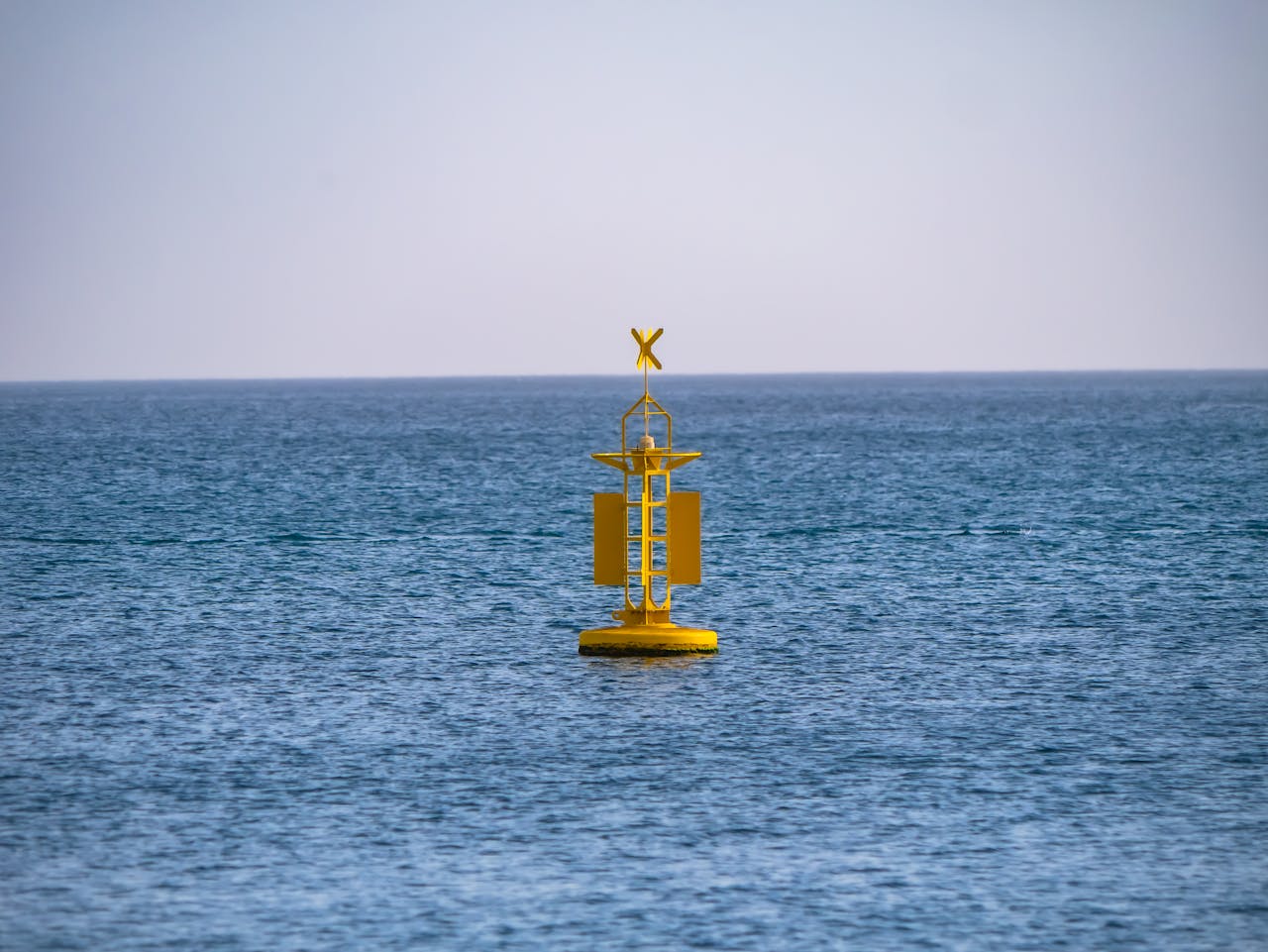
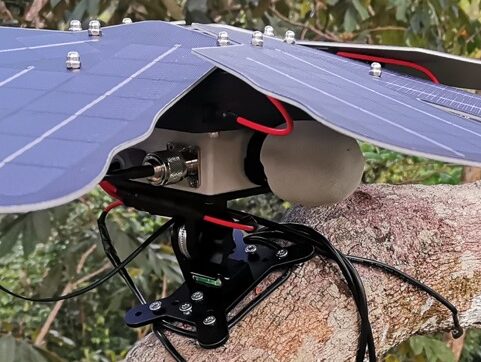
Above: Our buoys, rigged with hydrophones, used static and passive acoustic sensors to measure the soundscape of Irish waters.
Outcomes / Challenges
Outcomes:
High Accuracy Levels: The Smart Whale Sounds Initiative proudly achieved a 98% accuracy rate in identifying specific cetacean sounds, particularly those of delphinids, setting a new benchmark in marine bio-acoustic studies.
Noise Pollution Impacts: Regions within the soundscape of this proposed MPA that suffer from chronic noise pollution from passing ships were identified, and the impact of noise pollution on delphinid communication was assessed, providing invaluable insights for marine conservationists and policymakers.
Global Collaboration: The initiative has fostered collaborations with national and international marine research bodies, tech companies, and conservationists, creating a global network dedicated to marine acoustic research.
Public Outreach: Through conference presentations, workshops, online webinars, and interactive online platforms, the initiative has reached thousands of individuals, educating them about the importance of marine soundscapes and the role they can play in their conservation.
Challenges
1. Spatial and Temporal Complexity: Factors such as water depth, salinity, temperature, and seafloor composition can affect how sound propagates. Seasonal migrations, breeding patterns, and human activities can also introduce temporal fluctuations in acoustic data
2. Data Volume: Continuous monitoring generates vast amounts of acoustic data. Managing, storing, and analyzing this data requires significant computational power and specialized software.
Signal Differentiation: With numerous biotic and abiotic sounds in marine environments, distinguishing specific signals of interest, such as cetacean vocalizations, from background noise or those of other species is a nontrivial task.
Equipment and Maintenance: Deploying and maintaining underwater acoustic sensors, especially in challenging environments such as deep-sea habitats, can be both technically demanding and costly.
Anthropogenic Noise Overlap: Human-generated noise from sources such as shipping or offshore construction can overlap with biologically relevant frequencies, masking crucial signals or making data collection in certain areas nearly impossible.
Standardization: There's a pressing need for standardized protocols in acoustic data collection and analysis, given the array of equipment and methodologies currently in use.
Legal and Ethical Concerns: Acoustic monitoring may intersect with issues of privacy and sovereignty, especially when conducted in transboundary regions or areas with geopolitical sensitivities.