Ecuador
Protecting the Choco Ecosystem of the Mashpi Reserve

Overview
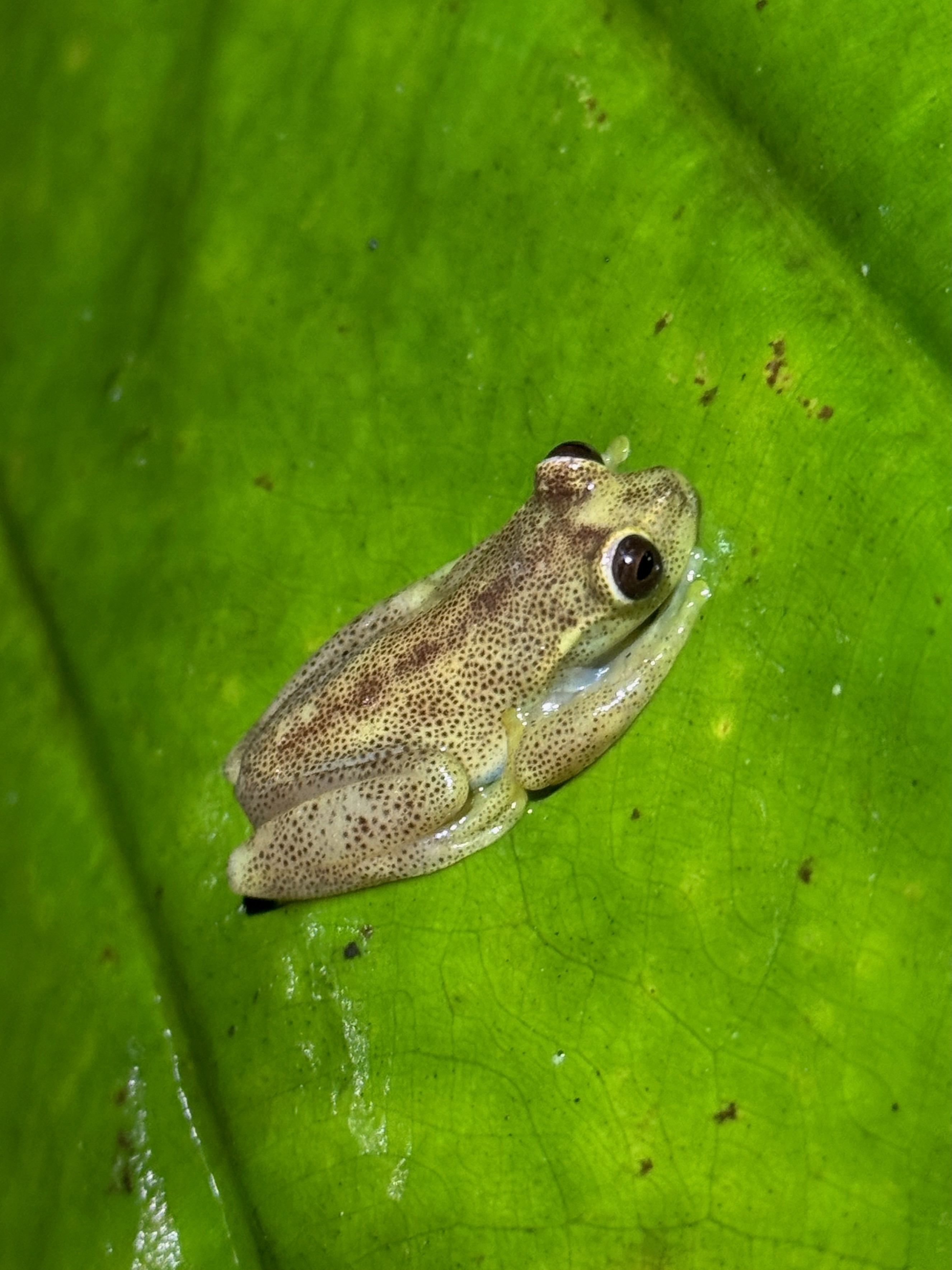
In 2019, Rainforest Connection partnered with local on-ground partner, Fundación Futuro to combat the loss of biodiversity and protect the Mashpi Reserve's Choco Ecosystem, one of the most threatened habitats outside the governmental system of protected areas.
Partners
Fundación Futuro
Objectives
To improve monitoring and protection of the Mashpi Reserve Choco Ecosystem, Ecuador, through the deployment of autonomous acoustic monitoring technology. This should serve to support and improve collaboration amongst local communities, empower local partners, improve protection, and the safety of law enforcement/rangers.
Implementation
Once on the ground, the installation team spent significant time understanding the area, local challenges, and terrain, and the Guardians were placed in locations that are difficult to monitor and patrol.
The RFCx team trained the rangers to set up a repeater, and as a result, the rangers now have cellphone service at the ranger lodge.
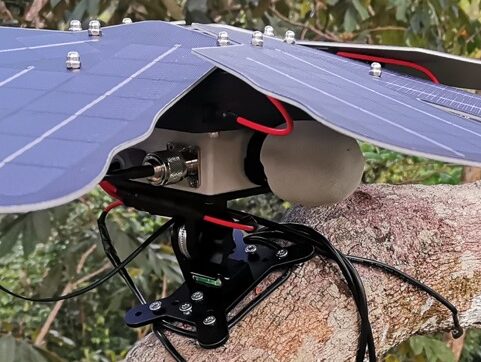
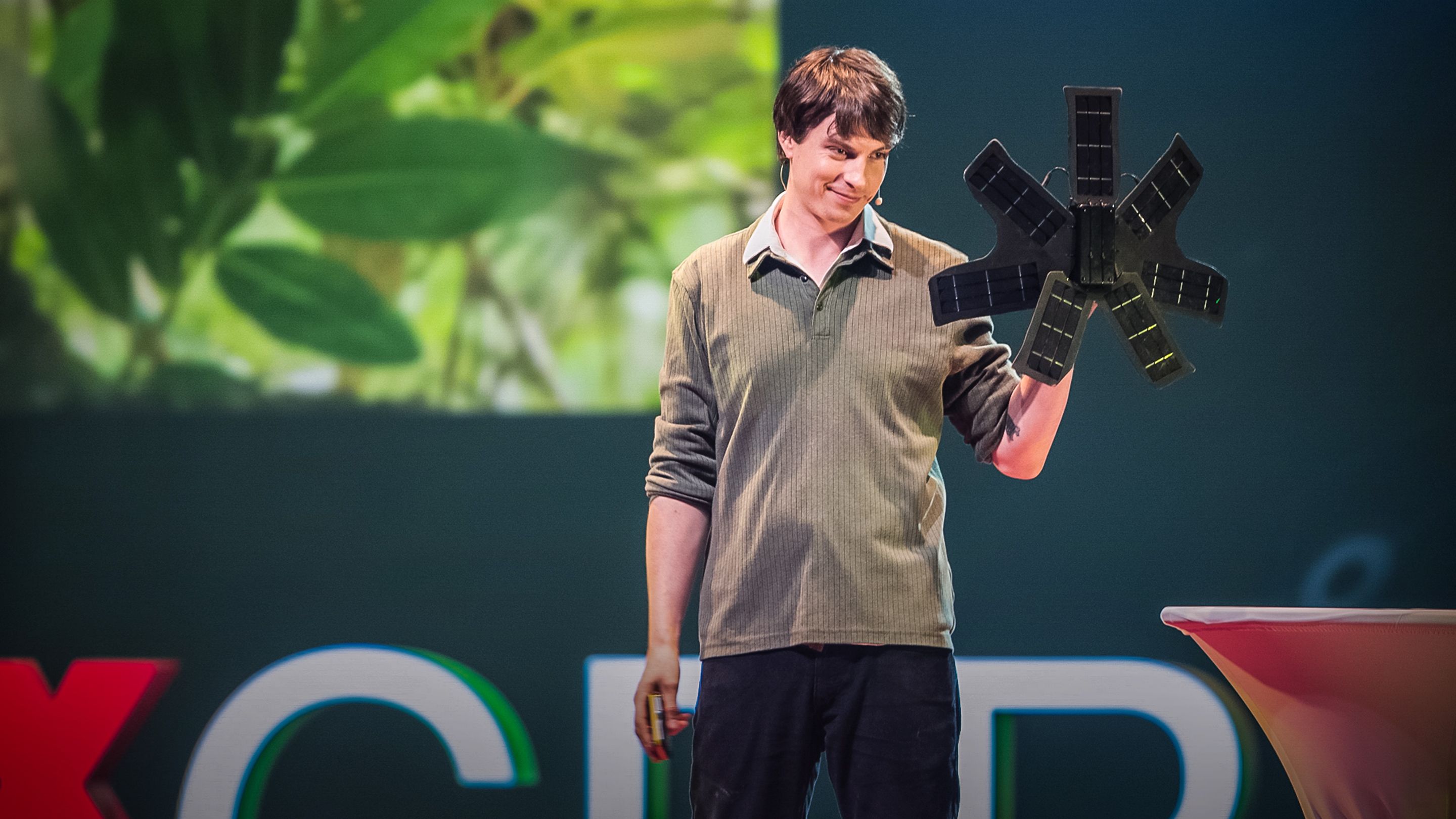
To accommodate low sunlight through the tree canopy and during the rainy season, when sunlight is scarce, RFCx redesigned the layout and positioning of the solar panels to maximize sun exposure.
Outcomes / Challenges
Outcomes:
Successfully installed 10 Guardians within the tree canopy at strategic places in the Mashpi Reserve.
Through the installation of the Guardians, the Mashpi Reserve team is able to support the social mission of the Metropolitan Touring by protecting the surrounding areas of the Mashpi Lodge and helping conserve a substantial portion of the remaining Choco bio-region in Ecuador, which had experienced years of deforestation.
The Guardians have been extremely well received by on-the-ground partners, helping deter illegal logging.
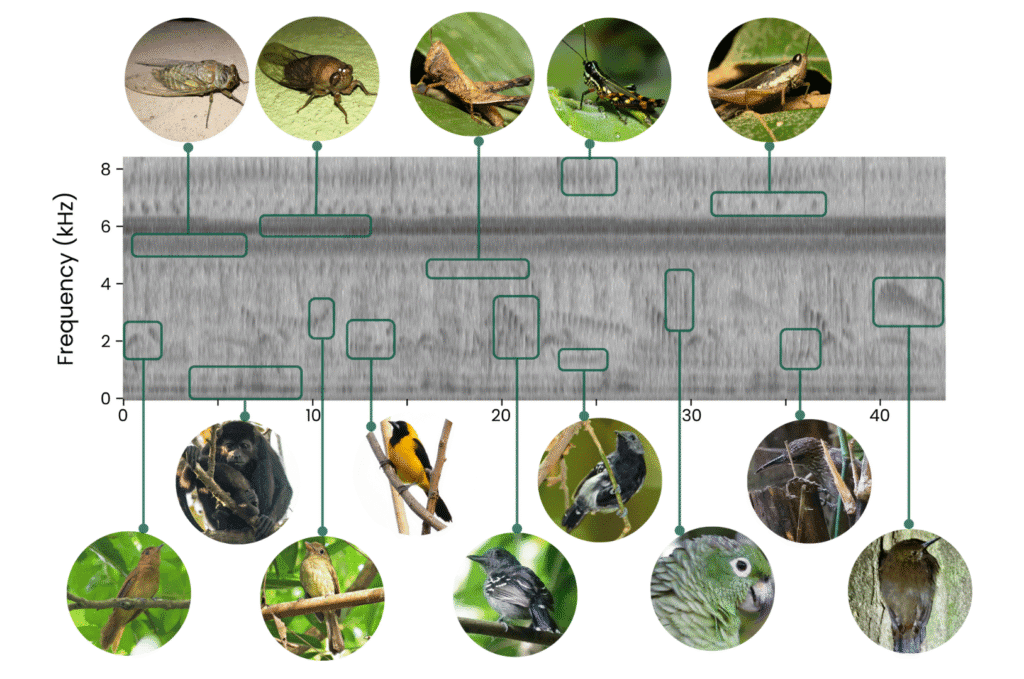
11,651 hours of data have been collected and added to the audio ark.
Challenges:
The rugged terrain (a combination of hills and valleys) degraded network service quality, creating obstacles to the installation of the Guardians.
The terrain and topography posed a considerable challenge, as it was physically demanding for the team to reach the installation sites. Each day required several hours of long hikes in rainy weather which made the mud very slippery and dangerous. This prevented the team from installing more than one Guardian per day.
It was also difficult to find suitable trees for the Guardian installation due to the mountainous terrain. The trees seemed big and tall; however, they were mostly covered in moss, which was damp and dewy. In some cases, the branches would break on the way up the tree.