Protecting the Alto Mayo Rainforest


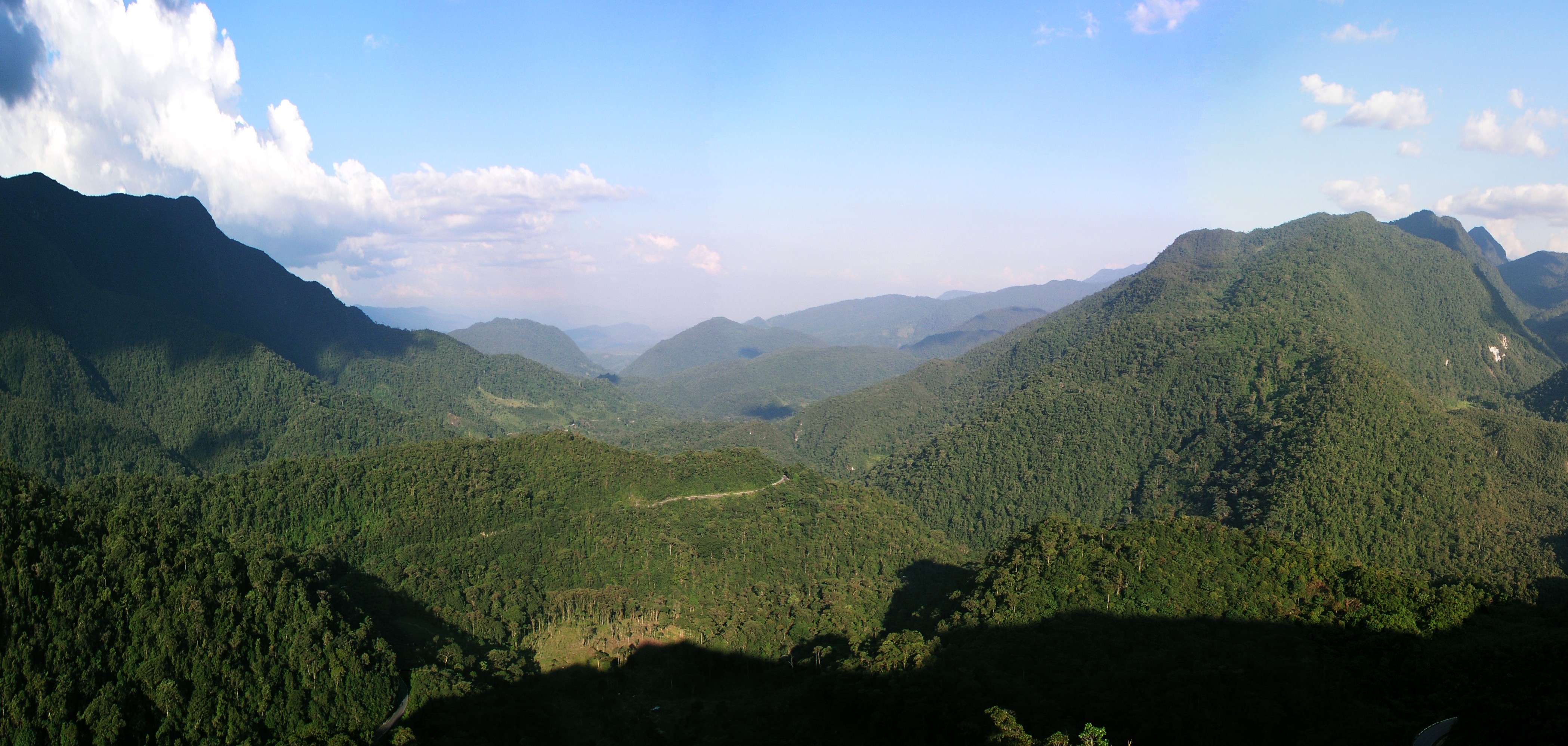
Alto Mayo, Peru
The Problem
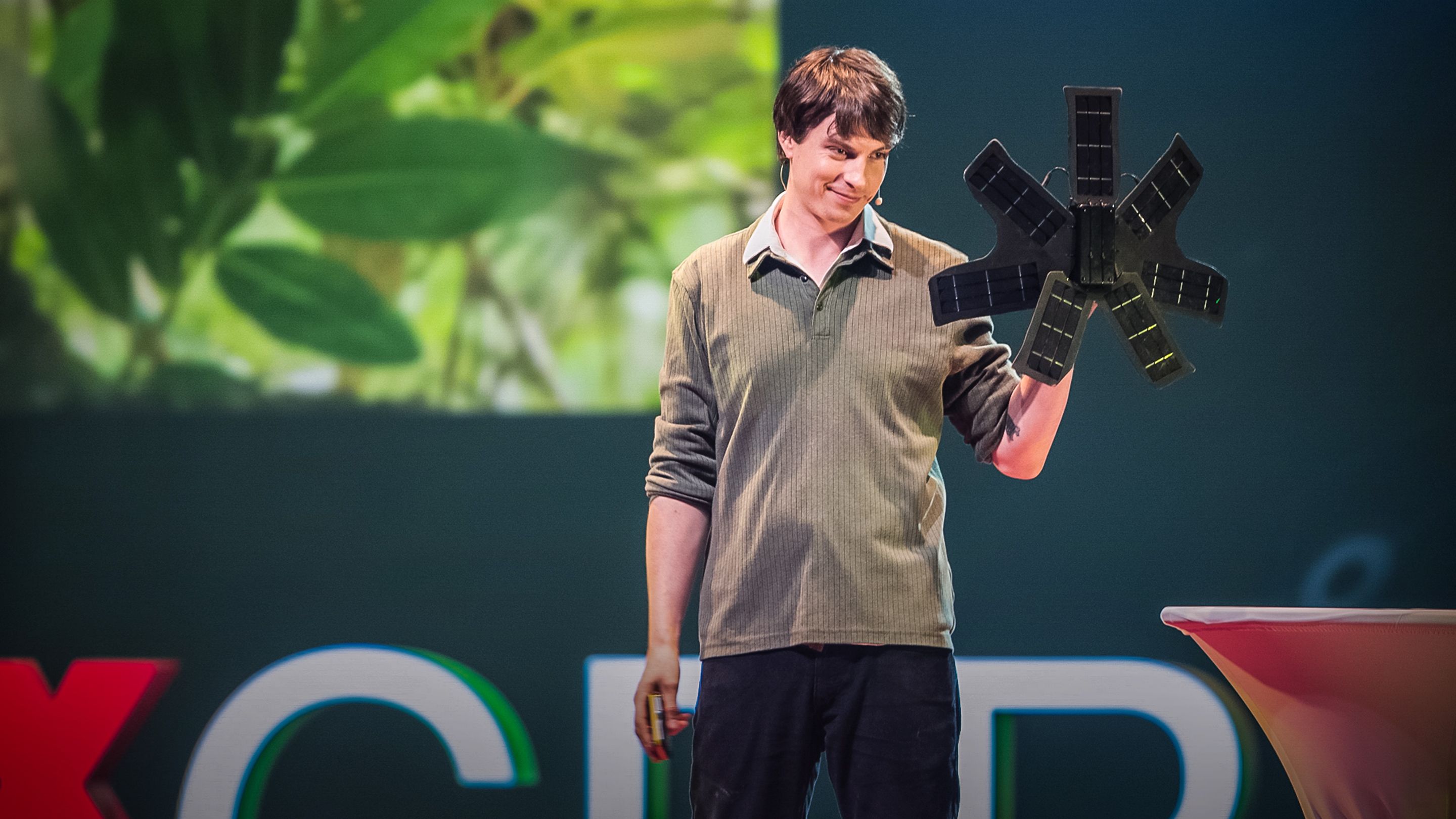
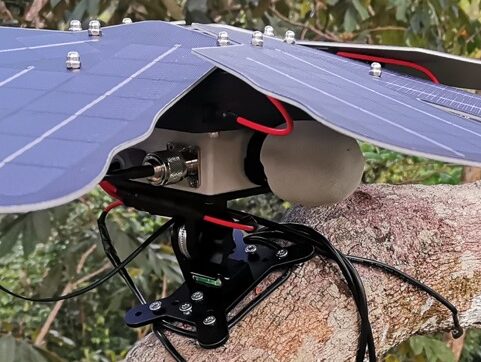
The overall goal is to develop an integrated forest monitoring system using a combination of acoustic sensors and unmanned aerial vehicles (UAV) to improve the efficiency of patrolling and therefore halting deforestation. The acoustic sensors will be set up throughout the protected area to identify and triangulate the sounds of chainsaws or machinery and send this information directly to park rangers.
The acoustic monitoring network will be complemented by a UAV which can be used to verify the disturbance alerts from the acoustic sensor, allowing rangers to respond quickly and efficiently. The UAV will also be used for the collection of high resolution optical data that will be used for land-cover and land-use validation, including the assessment of fire alerts from the existing Firecast system.
The goal of the project is to examine the potential to use acoustic monitoring in the future to protect this critically endangered rainforest by creating a proof of concept for remote sensing and alerts for chainsaws as a way to monitor illegal logging. The RFCx system is also designed to nest within REDD+ projects such as Alto Mayo, which require a data and monitoring component to establish benchmarks related to protection.
Partners
Conservation International
Objectives
Necessary System Features & Outcomes in Alto Mayo
Acoustic sensor network with capability to locate geographically the origin of the threats
Capturing and identifying threat sounds (e.g. chain saws), and transmitting data a web-based platform.
Reliable acoustic sensors able to operate under rugged terrain, extreme weather conditions, in remote forest areas with no access to electricity or cell phone signal.
The sensors should work autonomously with only rare maintenance necessary
Alerts should be delivered through the Firecast platform
Software/hardware configurations for Alto Mayo
Training for rangers on system operations
For this proposal, we aim to have an acoustic alert system with the following features:
Acoustic sensor network with capability to locate geographically the origin of the threats - Capability to capture and identify threat sounds (e.g. chain saws), and transmit data to the web-based platform;
Reliable acoustic sensors able to operate under rugged terrain, extreme weather conditions, in remote forest areas with no access to electricity or cell phone signal.
The sensors should work independently with only occasional visits once operational - Alerts should be delivered through the Firecast platform
Implementation
The RFCx system has successfully sent alerts for chainsaws, trucks, motorcycles and vehicles in remote rainforests. Chainsaws were first successfully detected and located in our Indonesia project, allowing local rangers to intervene in illegal logging operations on a protected reserve. The system brought rangers and loggers face to face for the first time in a non-confrontational manner that acted as a future deterrent for illegal logging in that area.
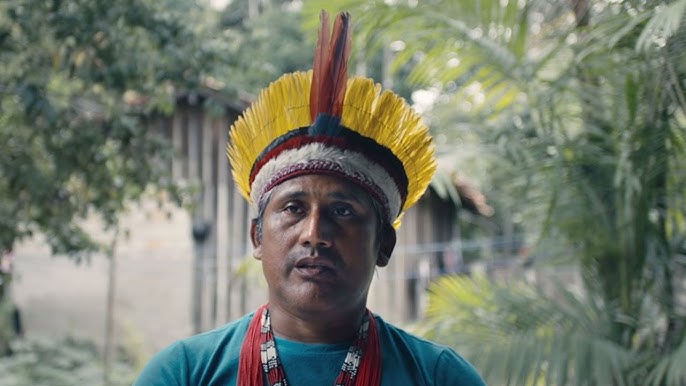
We were conducting testing in Brazil, working with indigenous tribes to protect and monitor their lands. RFCx sensors have been streaming data in this remote rainforest in the state of Para for almost one year in every kind of weather (including the rainy season) with only minimal on-site maintenance.
Impact
Manufactured and deployed 10 RFCx Guardians.
Created a remote network and bay station deployment on a local mountaintop that allows us to connect to the local cellular network.
Developed long-term partnerships with local people who will protect the system and infrastructure, and who are invested in expanding the system to protect the rainforest as unofficial rangers and stewards of the local biodiversity.
Generated test alerts through the Firecast platform as CI’s preferred mechanism for sending alerts on fires and expanding to chainsaws.
Delivered real chainsaw alerts through Firecast from our ongoing Ecuador project
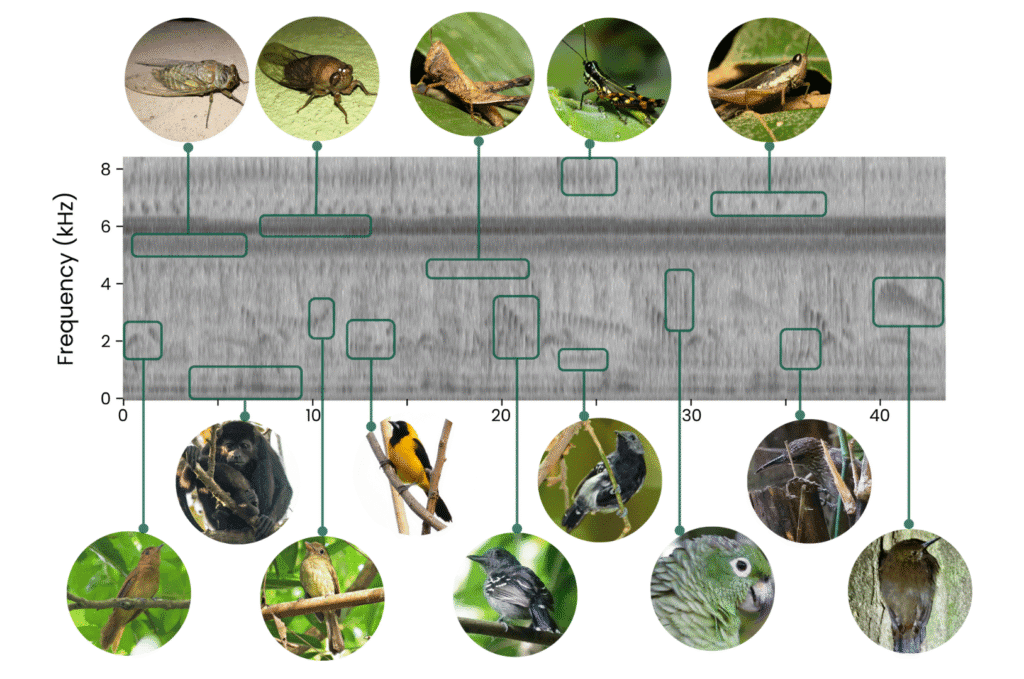
Advanced our cloud based software analysis to begin to focus on enhanced chainsaw detection,while also recently using rainforest data to show proof of concept for future bio-monitoring capacities and establishing benchmarks for human impact through acoustic analysis. This information can help organizations measure human impacts and also whether their programs are actually working to protect biodiversity… by providing key measurements. During the course of this project we began a partnership with Dr. Justin Kitzes who is using the RFCx System to advance biomonitoring in 2017, subject to future funding.